
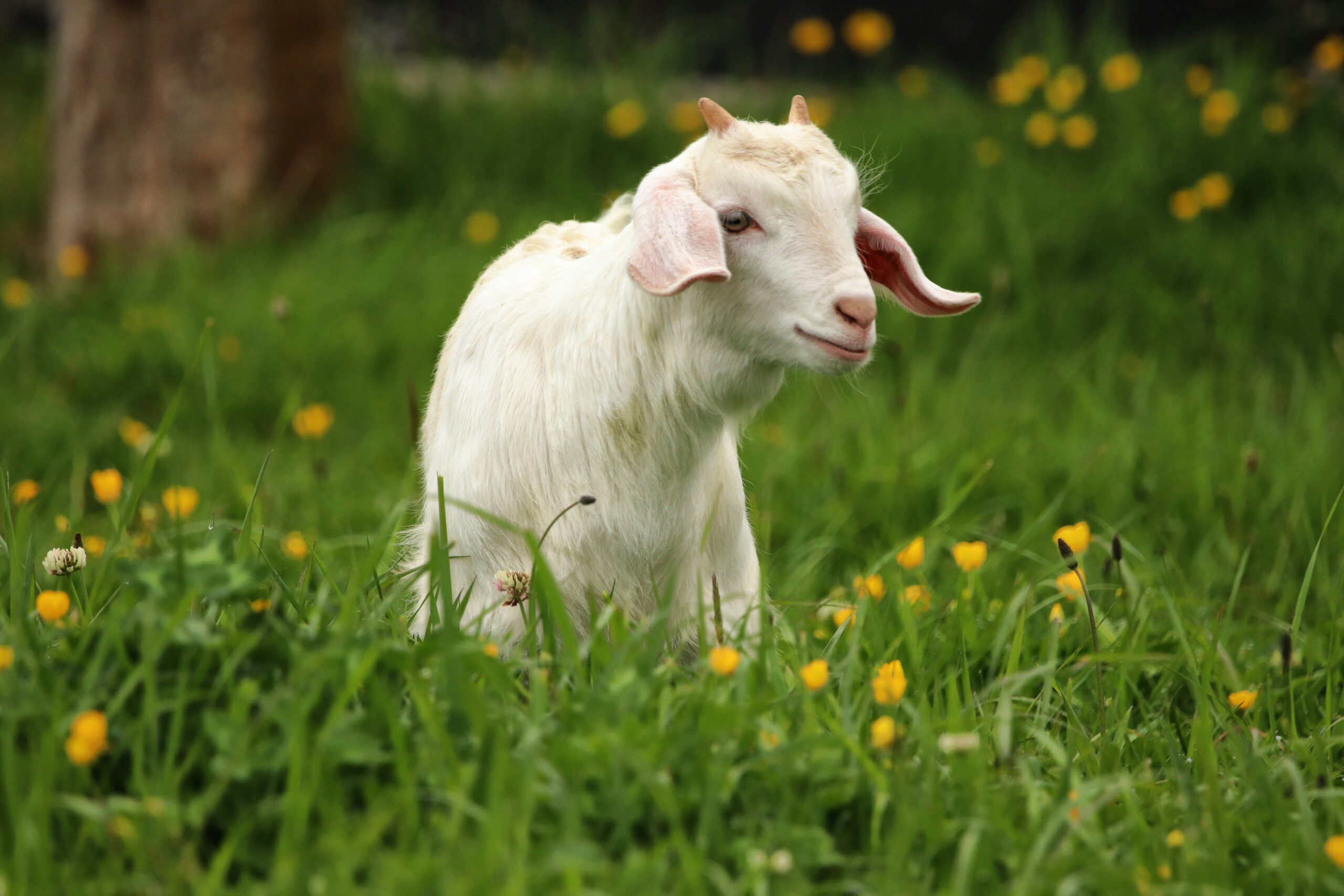
Goats
Small producers rear goats to produce meat, dairy and fibres. Goats can be combined with other types of farming, and the scale of herds varies widely.
Goat farming is a form of livestock management and comes with legal responsibilities on caring for the animals’ welfare throughout the year. Managing herd health is a critical part of goat farming, and to sell meat or milk you will also need to comply with food safety regulations.
Updated 7 June 2026


Transport & slaughter
Transporting goats
If you transport your goats, you have a legal responsibility to ensure their welfare during transit. You must also complete a movement document to accompany the goats (see ‘Moving goats’).
There are also limitations on what animals you can transport and how far. For example, you cannot transport ill or heavily pregnant goats.
Farm Advisory Service has published a guide on your legal duties in transporting animals.
If you use a transport business, you should check that they hold the right authorisations to transport goats. Instructions for how to check on APHA website.
Read more:
- ‘Welfare of commercial animals in transport’, Scottish Government
- The Welfare of Animals (Transport) (Scotland) Regulations 2006
Approvals
If your farm business transports goats more than 65km as part of an economic activity, you will need to apply for two types of approvals. There are different requirements for both approvals depending on whether the journey is under or over 8 hours.
- Drivers need a Certificate of Competence (CoC) which confirms that they know how to transport animals responsibly. CoC is not required for journeys to the vet. NPTC City & Guilds Assessment Centre and Lantra organize CoC courses.
- Your farming business needs a Transporter Authorisation. Contact APHA Welfare in Transport team for an application pack – the authorisation is valid for 5 years.
If the journey is over 8 hours, you must also get your vehicle and containers approved. This approval is valid for 5 years, and you can apply through the APHA Welfare in Transport team.
Read more:
Slaughtering goats
To place goat meat on the market, the goats must in most circumstances be slaughtered in an approved abattoir.
Abattoirs must be approved by Food Standards Scotland (FSS)- see the list of approved abattoirs. You must also provide the abattoir a Food Chain Information declaration about the goats. See guidance on Food Chain Information by FSS.
Before sending your goats to an abattoir, check that they are correctly tagged (see ‘Tagging goats‘). The goats must be reasonably clean to comply with meat hygiene standards.
Home slaughter
You can slaughter your own goat if the meat is for your immediate household’s consumption. There are legal requirements for home slaughter:
- The farmer, or a person who holds a Certificate of Competence (CoC) on the owner’s property must slaughter the animal.
- The slaughter must be done on your farm.
- Specified risk material (SRM) must be removed, stained, and disposed of as Category 1 (high risk) waste.
- The Welfare at the Time of Killing (WATOK) regulations apply.
Read more: