
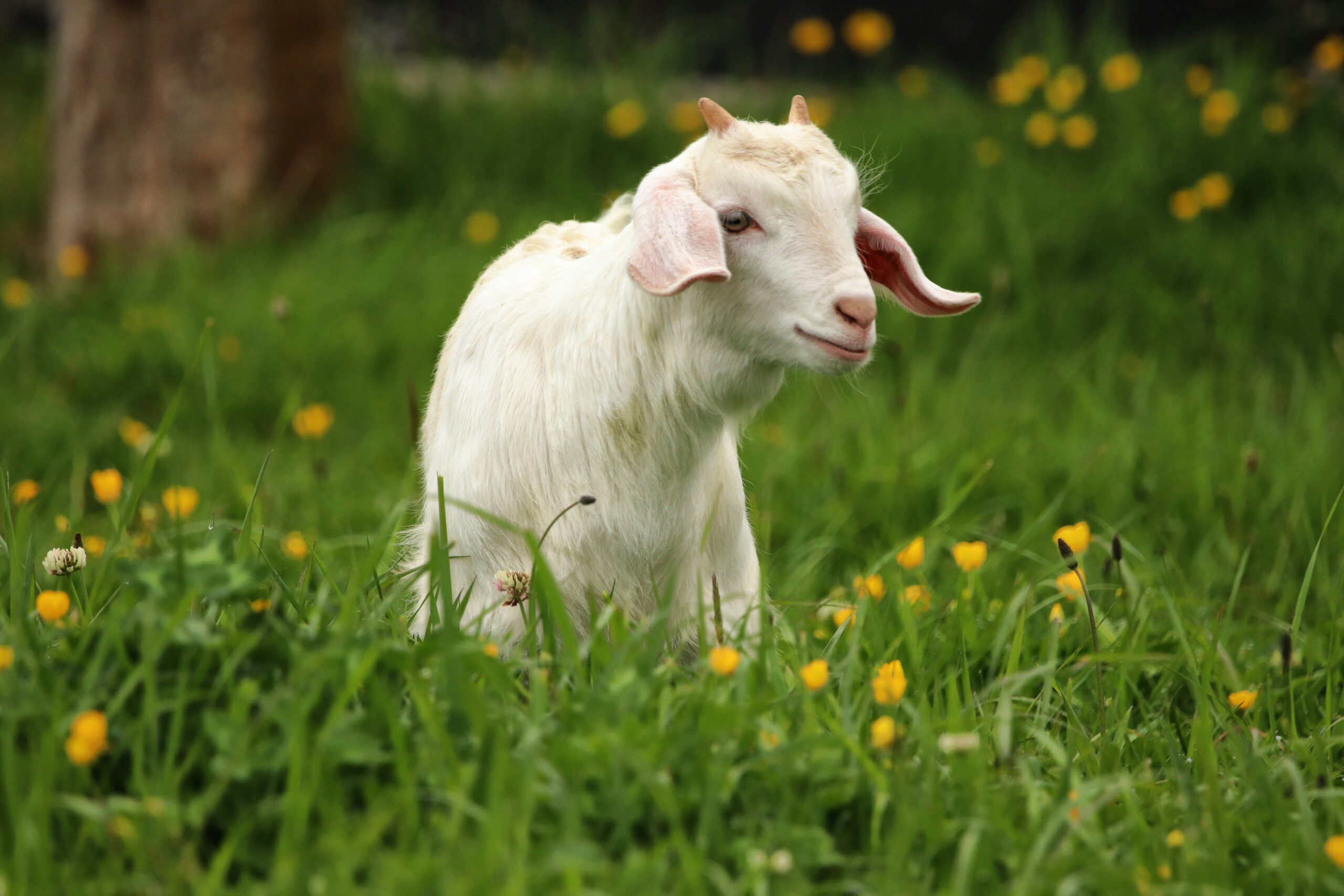
Goats
Small producers rear goats to produce meat, dairy and fibres. Goats can be combined with other types of farming, and the scale of herds varies widely.
Goat farming is a form of livestock management and comes with legal responsibilities on caring for the animals’ welfare throughout the year. Managing herd health is a critical part of goat farming, and to sell meat or milk you will also need to comply with food safety regulations.
Updated 7 June 2026


Preparing produce: Dairy
To prepare or sell goat dairy – whether at farm gate, a farmers’ marker, or via retail – you need to register as a food business at least 28 days before you start trading and get your premises inspected. This is free, and you can do it via your local authority. You can find more information on the Food Standards Scotland website here.
Milking
Effective milk production depends on good animal health, careful milking practices, and well-maintained facilities. The stockman should understand the specific needs of lactating goats and take steps to prevent injury, disease, and stress. Where problems arise, veterinary advice should be sought promptly.
Lactating goats have increased nutritional and health requirements. Goats can continue to milk for over 24 months, provided this is supported by adequate nutrition and body condition. Milk yield and frequency should guide management: goats should be milked daily, or sufficiently often to match their level of production, to maintain udder health and milk flow.
It is crucial that hygiene measures are adopted, both before and after milking, to reduce the spread of disease. This includes ensuring that milking machines are clean and working efficiently. Failure to attend to hygiene can lead to mastitis.
Preparing produce for sale or consumption
Goat milk and goat-derived dairy products (e.g., cheese, yoghurt) sold as part of a business are subject to The Dairy Products (Hygiene) (Scotland) Regulations 1995. These rules apply whether you make your products yourself or handle them before sale.
Small producers may be eligible for simplified approval, but still must comply with hygiene, handling and record-keeping duties.
Products not sold as part of a business or produced exclusively for immediate household consumption are generally exempt from the full requirements of these Regulations.
Raw milk
It is illegal to sell raw goat milk for direct human consumption in Scotland, including distribution and online sales.
Read more: Food Standards Scotland – Dairy & Eggs
Antibiotic residues
Milk producers must ensure that milk from animals under treatment or in the withdrawal period from antibiotics does not enter the food chain.
Read more: Food Standards Scotland – Testing milk for antibiotic residues
Packaging
You must only package dairy products in materials which are approved for being in contact with food. Read the legislation on packaging materials.
You will also need commercial scales to weigh your produce and comply with legal rules around packing and weight of the produce.
Labelling
To sell dairy products, you must comply with labelling regulations ensuring that customers are being given correct information and the product can be tracked through the supply chain.
Labelling requirements depend on how the dairy product is packaged and who you sell it to.
Read about additional labelling requirements for frozen products e.g. ice cream
If you are selling directly to customers you must label it with:
- Name of the food
- Ingredients list including allergenic ingredients in bold
If you are making other products combining your dairy products with additional ingredients, you will also need a:
Quantitative ingredient declaration (QUID)
Read guide on labelling pre-packaged food for direct sale by FSS.