
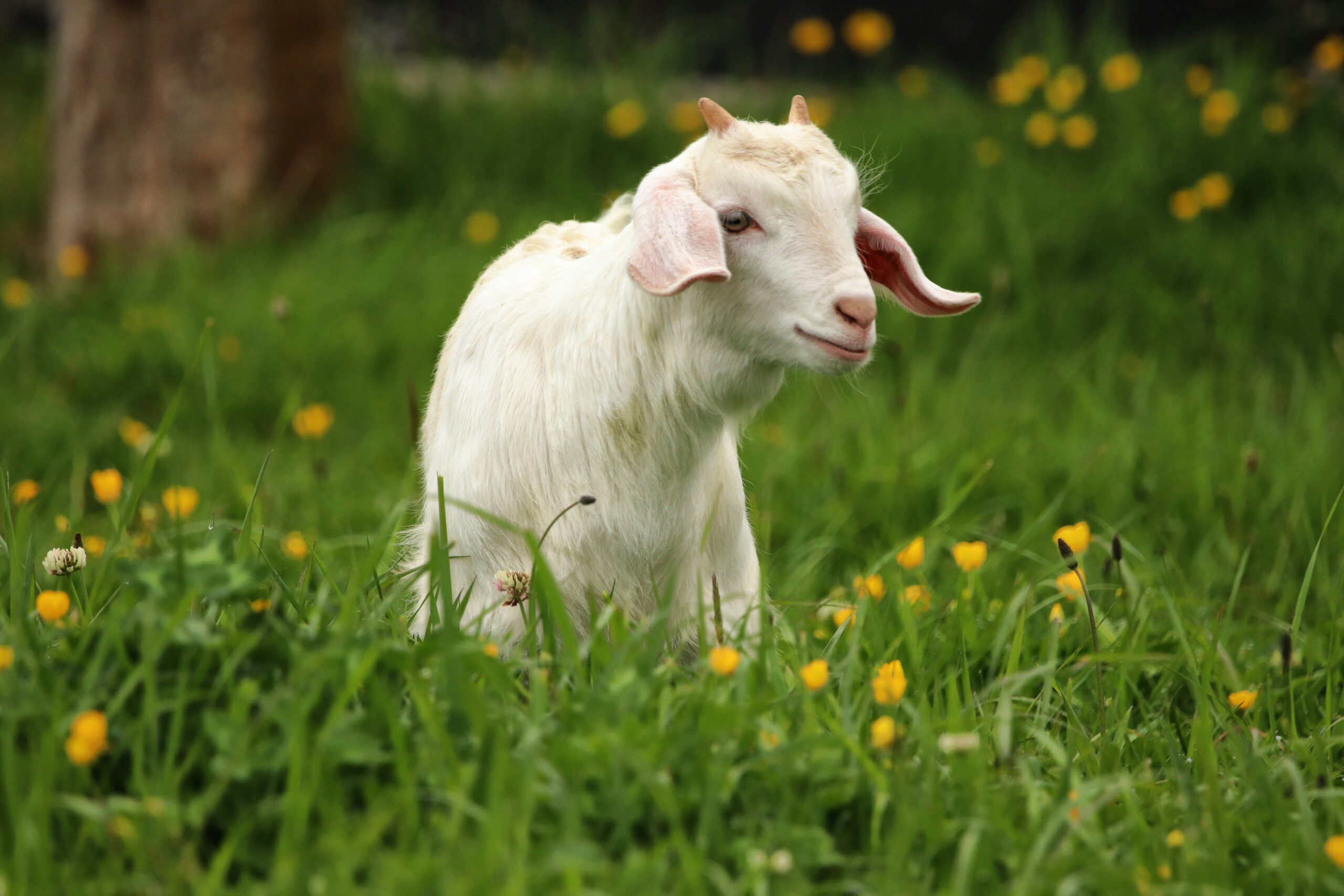
Goats
Small producers rear goats to produce meat, dairy and fibres. Goats can be combined with other types of farming, and the scale of herds varies widely.
Goat farming is a form of livestock management and comes with legal responsibilities on caring for the animals’ welfare throughout the year. Managing herd health is a critical part of goat farming, and to sell meat or milk you will also need to comply with food safety regulations.
Updated 7 June 2026


Becoming a producer
Farm registration
To keep goats, you must register your agricultural land and farm business with the Rural Payments and Inspections Division (RPID) even if you do not withdraw subsidies.
You must register within 30 days from the date you first keep goats. It is free and requires basic information about your farm.
Register your farm with RPID online or complete this form.
You will get two numbers:
- Business Reference Number (BRN) for your farm business
- County Parish Holding (CPH) number for your land. You need this number to register your flock and report any movements of animals.
If you need help, contact your local RPID office.
Herd registration
Once you have your CPH number (see ‘Registering your farm’), you must then register your herd with the Animal and Plant Health Agency (APHA).
Register your herd by contacting your local APHA office.
You will get a herd mark which is the identifier for all goats born and kept on your farm. Goats bought elsewhere will come with their own identifier. You will need the herd mark to buy tags or other identifiers for your goats (see ‘Tagging goats’) and maintain a holding register (see ‘Keeping records’).
Feed business registration
To use, store and give your goats animal feed, you must normally register as a feed business with Food Standards Scotland (FSS). You can register as a feed business online, and it is free.
There are some exemptions which may apply to small producers, for example if you are feeding food-producing animals kept solely for domestic consumption. A list of all exemptions can be found here.
Setting up your business
If you earn more than £1,000 per year from goat farming, you need to register as a sole trader, or set up a business partnership or a limited company. You will also need to pay income tax on your profits and keep records. You might also want to draft a business plan to keep track of your accounts – this guide by the Landworkers’ Alliance is a good starting point.
Rural Payments and Services has an explainer of different types of farm businesses.
Registering as a food business
To prepare or sell goat meat or dairy – whether at farm gate, a farmers’ marker, or via retail – you need to register as a food business at least 28 days before you start trading and get your premises inspected. This is free, and you can do it via your local authority. You can find more information on the Food Standards Scotland website here.
You do not need to register if the products your make are only for your own or your family’s consumption.
Food safety
A Level 2 food hygiene certificate is recommended for being compliant with food safety regulations and can be achieved online. You must also create a food safety management system that follows Hazard Analysis and Critical Control Points (HACCP).
Find out more about your legal duties around food safety on FSS.
Membership
It can be helpful to register with a membership body, such as British Goat Society, Pasture for Life, or the Landworkers’ Alliance, to keep up to date with the latest news and trainings.
Insurances
Getting public liability insurance will cover other people getting injured because of your operations or produce. You can also get specialist livestock insurance to cover stock losses and consider income protection/personal accident insurances.
Herd Health Plan
You should create and implement a herd health plan to help comply with animal welfare requirements. It is advisable that you create a health plan with your local vet and review it with them annually.
There are online services to help you create and maintain a health plan, such as the Animal Health Planning System created by SRUC Veterinary Services.
See ‘Maintaining herd health’ for more information about goat health.