
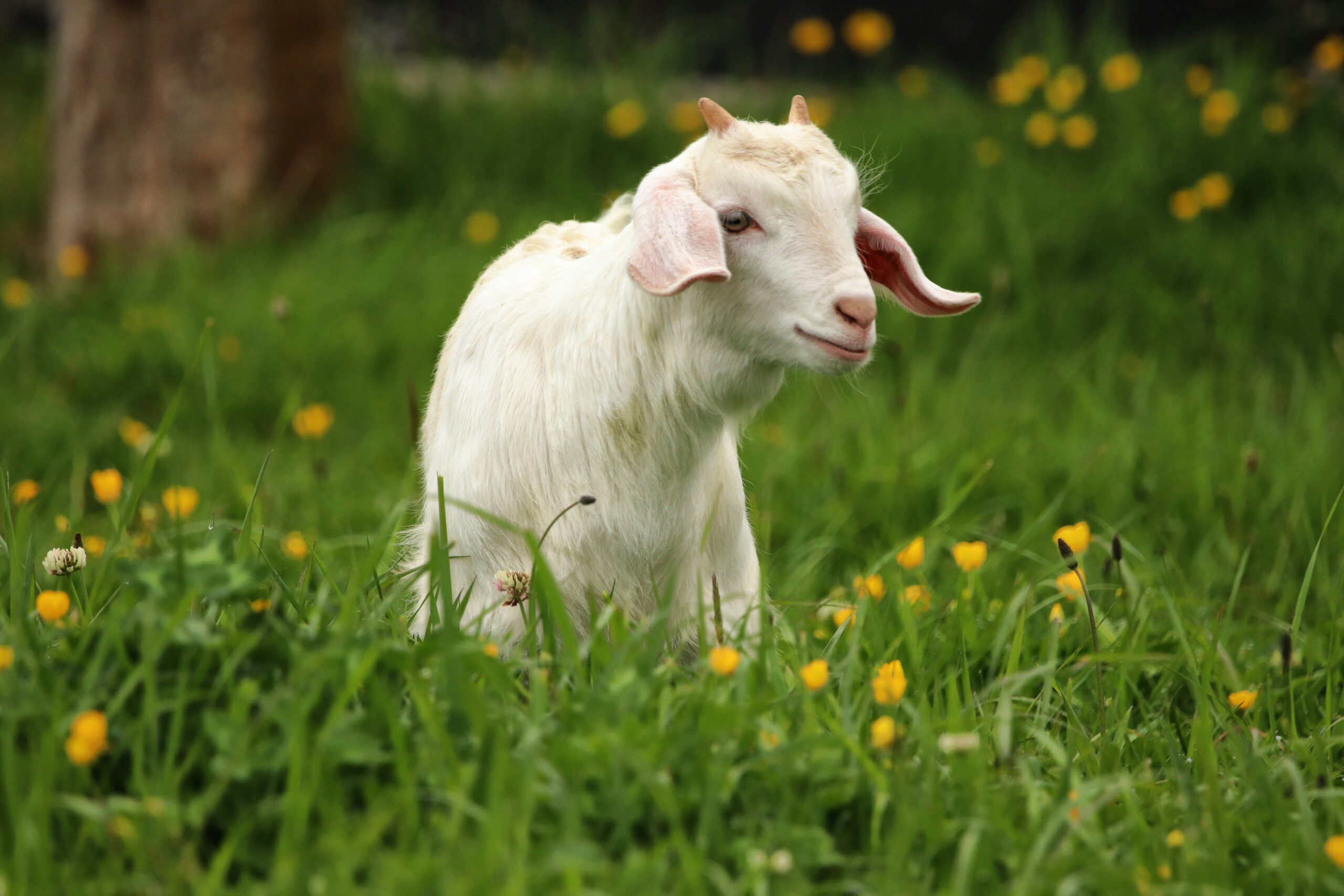
Goats
Small producers rear goats to produce meat, dairy and fibres. Goats can be combined with other types of farming, and the scale of herds varies widely.
Goat farming is a form of livestock management and comes with legal responsibilities on caring for the animals’ welfare throughout the year. Managing herd health is a critical part of goat farming, and to sell meat or milk you will also need to comply with food safety regulations.
Updated 7 June 2026


Records & inspections
Before keeping goats, you should familiarise yourself with ongoing administrative and reporting duties. You can then keep legally required records and are prepared for inspections from the Rural Payments and Inspections Directorate (RPID).
Keeping records
Good record-keeping is essential to successful goat-rearing. You are legally required to maintain a holding register and medicine records, and you should also keep records of annual herd performance, insurances, inspections, and financial accounts as a business.
Holding register
You must start and maintain a holding register, which includes information such as your CPH number, a log of goat movements, and details of your herd identification.
You can keep a holding register:
- Electronically on ScotEID, which is the electronic hub for tracing livestock in Scotland. ScotEID does not have a category for goats and they are recorded under the sheep section.
- On paper. Check what needs to be included in the holding register, and download a template holding register from the Scottish Government website.
You must update the holding register within 48 hours of moving or tagging goats, or when one of your goats dies.
Moving goats
Any time you move goats from or to your farm, you must complete a movement document and report the move to the Scottish Animal Movement Unit (SAMU).
Request movement documents from your local RPID office. Paper copies must accompany the goats when they are being moved and the goats need to be tagged (see ‘Tagging goats). The current owner must send the document to SAMU within three days of the goat’s arrival to its next location – check contact details for SAMU.
Some markets and abattoirs are registered as Critical Control Points and will automatically send your goat’s individual numbers to ScotEID. Read more about Critical Control Points.
You must keep a register of all goat movements for a minimum of three years. See also ‘Goat movement restrictions’.
Medicine records
If you farm goats for food, you must keep records of any medicine given to the animals for five years.
There are legal requirements for what information must be kept in medicine records, and you need to keep purchase receipts.
Check the legal recording requirements for:
- Medicine bought, administered, or disposed by you
- Medicine administered by a vet
- Prescribed medicine products
The Farm Advisory Service has a video guide on key medicine record requirements.
Read more about medicine records on the Veterinary Medicines Directorate website.
Inspections
The Rural Payments and Inspections Directorate (RPID) may arrange to inspect your farm to ensure you are complying with legal requirements to have appropriate registrations, keep records and identify your goats. You must provide them with your up-to-date records and help with sampling your herd.
Find out more about RPID inspections:
- ‘Sheep and goat inspections’, Rural Payments and Inspections Directorate
- Sheep and goat inspection form, Rural Payments and Inspections Directorate
You may also be inspected by the Animal and Plant Health Agency (APHA) and Food Standards Scotland (FSS).