
Dairy cows
Keeping cattle for dairy production carries additional responsibilities beyond general cattle-keeping. Even at small scale, producers must ensure milk is produced hygienically and in line with applicable food safety and animal health requirements.
Updated 7 June 2026


Keeping dairy cows
Additional Record Keeping
In addition to other record keeping, such as a record of any medication administered to cattle (see, Animal health and diseases), it is recommended that you should record the daily milk yield of each lactating dairy cow, at least once a month, and monitor this against the appropriate lactation curves for the yield level of the herd. These figures and other available data can be used as a tool to identify welfare problems at an early stage.
Nutrition
Nutrition in dairy cattle is complex, and it is advisable to consult a specialist to identify the specific needs of your herd. The Farm Advisory Service has a factsheet that you may wish to consult.
Tagging
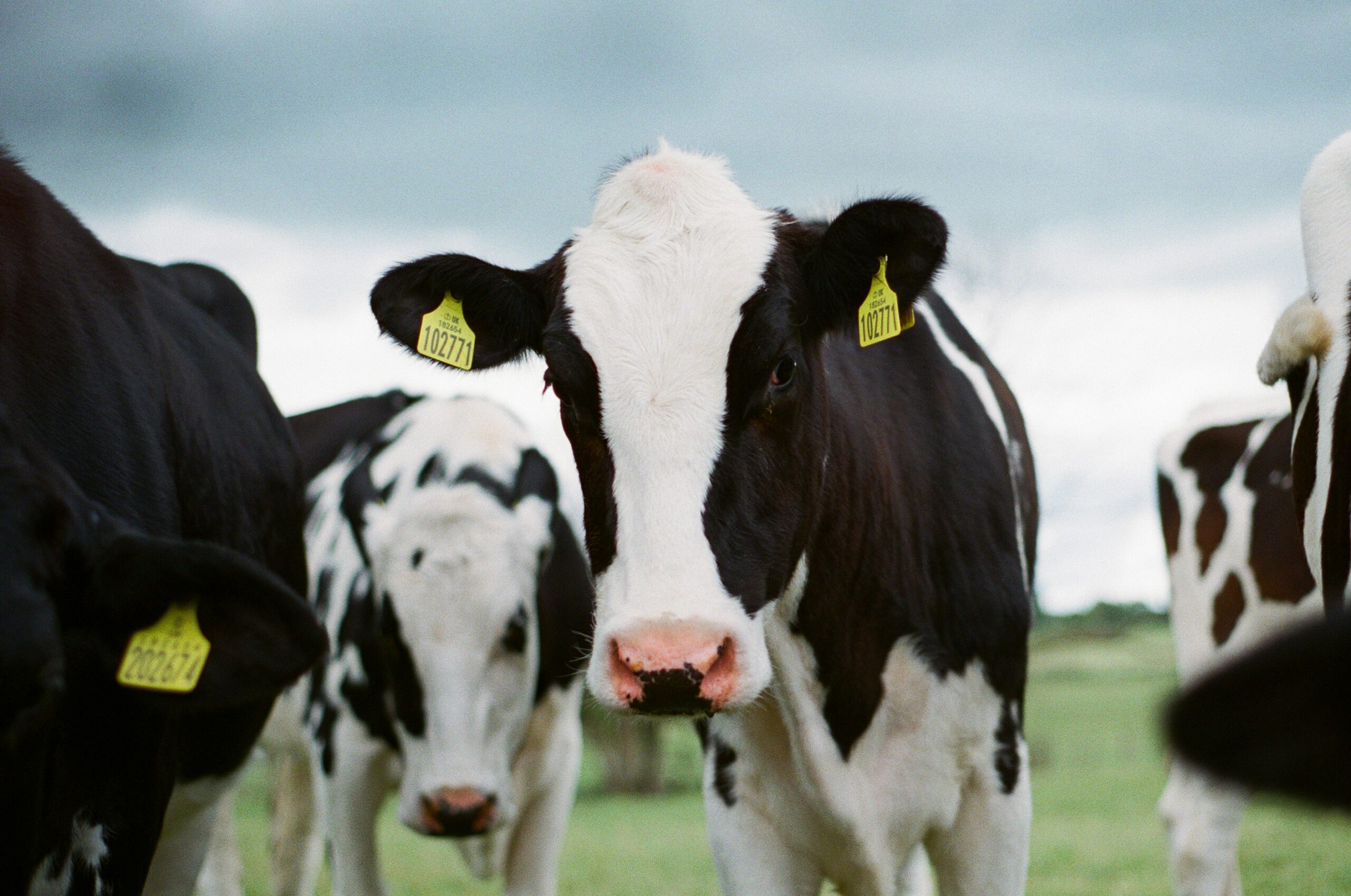
A new beef calf must have tags in both ears by the time it’s 20 days old. A dairy calf must have its first tag fitted within 36 hours and the second one within twenty days. All calves must have two tags fitted before they leave the farm if that’s within 20 days of birth.
Mastitis
As with any other infection, mastitis can cause the animals distress and suffering, so you should take steps to control it. Dairy producers should follow the Defra Mastitis Management Action Plan (Mastitis MAP), which is recognised and applicable in Scotland. Together with good stockmanship and environmental management, these measures can help you control mastitis infection.
The Mastitis MAP covers:
- hygiene teat management (e.g. keeping the teats clean)
- promptly identifying and treating clinical cases
- dry-cow management and therapy
- accurate record-keeping
- culling of chronically infected cows
- regular milking-machine maintenance and testing