
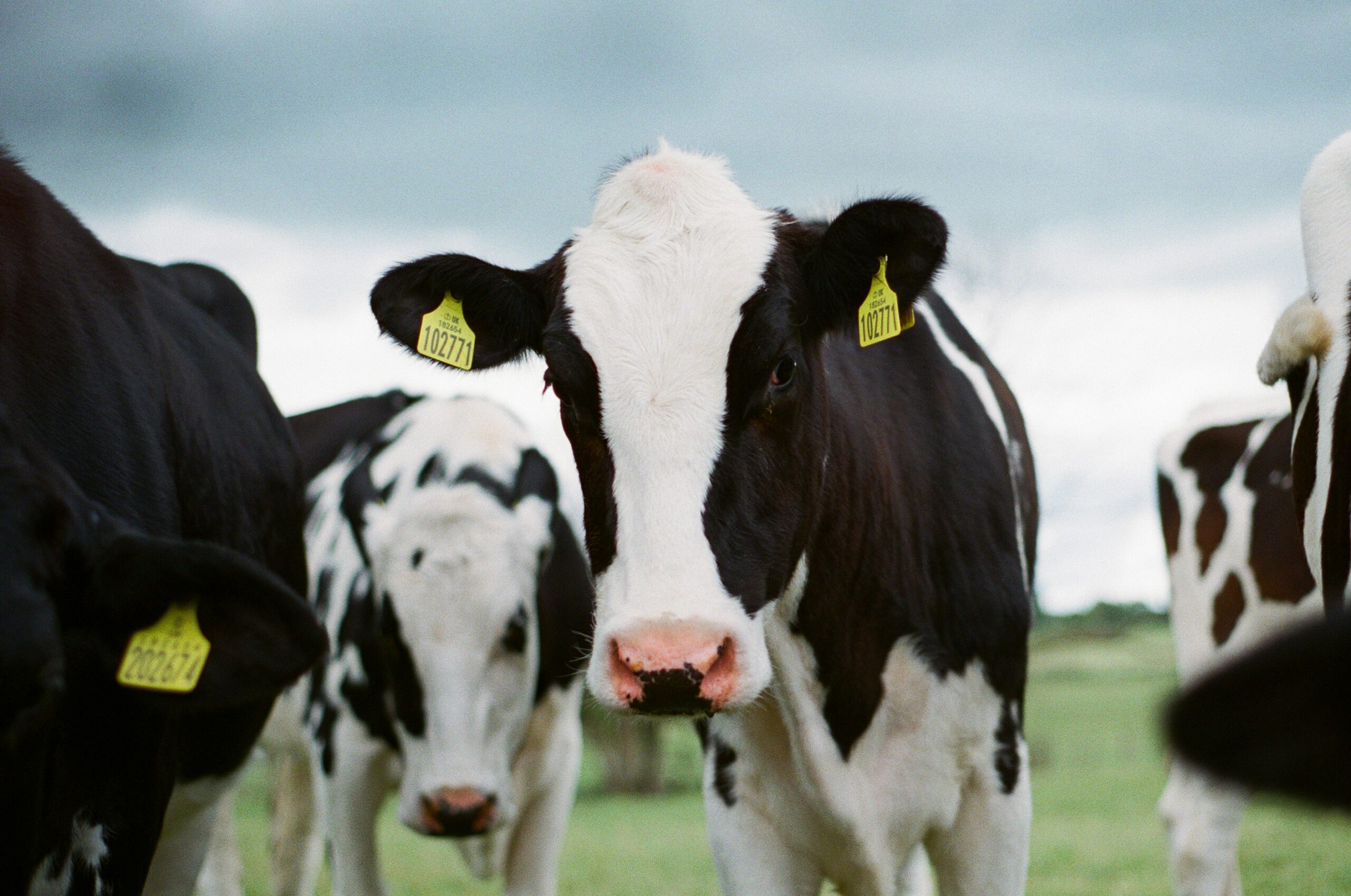
Dairy cows
Keeping cattle for dairy production carries additional responsibilities beyond general cattle-keeping. Even at small scale, producers must ensure milk is produced hygienically and in line with applicable food safety and animal health requirements.
Updated 7 June 2026


Milking
As set out in the Welfare of Cattle: Code of Practice, good milking practice is essential for cow welfare, milk quality, and the long-term health of your herd. Lactating dairy cows should never be left unmilked or allowed to develop overfull udders, as this can cause pain, stress, and increase the risk of mastitis.
Anyone responsible for milking cows, including relief or temporary milkers, should be fully competent in all milking procedures.
A properly functioning milking machine is vital for:
- cow comfort and welfare;
- efficient and effective milking; and
- maintaining good udder health.
During each milking session, simple checks should be carried out to ensure the equipment is working correctly. This includes checking the working vacuum level and carrying out routine maintenance as recommended by the manufacturer.
Where necessary, milking machines should be upgraded or adjusted to prevent damage to teats and to ensure that cyclic vacuum fluctuations remain within recommended limits. Specialist advice may be required to assess and optimise machine performance.
All new or refurbished milking installations should be independently tested to confirm correct operation in line with the manufacturer’s instructions and the British Standard for milking machine installations.
In addition, at least once a year, a trained and competent operator should carry out a full working assessment of the milking machinery. This assessment should confirm that the system is operating correctly and identify any repairs, servicing, or adjustments needed to maintain performance and animal welfare.