
Bluetongue Virus (BTV-3) – Scottish Government Information for Small Producers
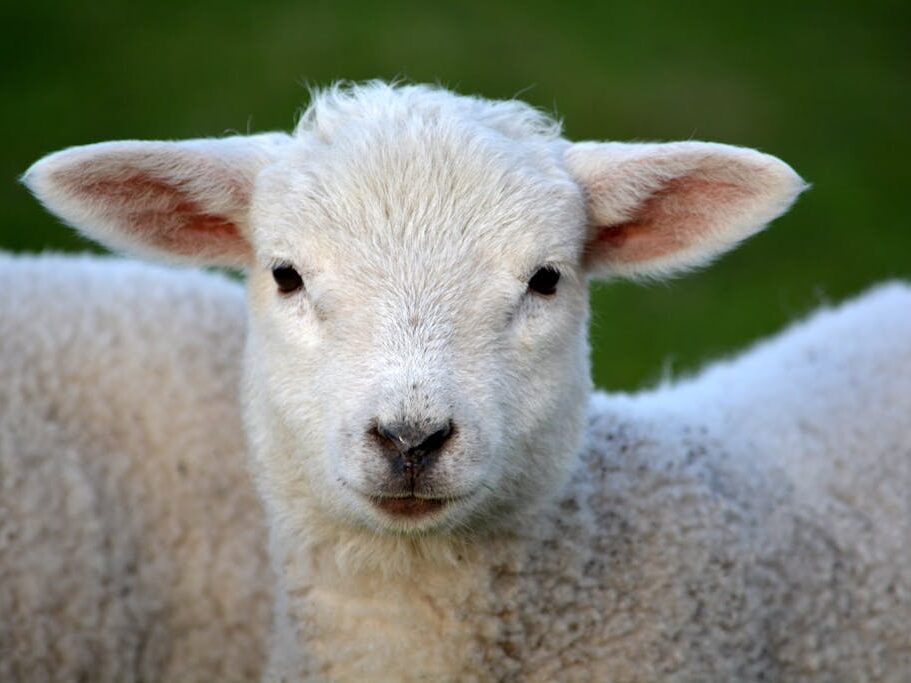
The Scottish Government continues to urge livestock keepers to vaccinate their animals against Bluetongue Virus serotype 3 (BTV-3), currently the prevalent strain of bluetongue affecting livestock in Great Britain.
This Virus is spread mostly by midges not by animal to animal contact, and vertical (through breeding) transmission is also possible. Vaccination is the most effective tool available to help protect animals and people’s businesses from the impacts of BTV-3.
Even if you only keep a small number of animals, even as pets, vaccinating your animal is an important way to protect your animal’s health and welfare and your business. The kinds of animals that are affected by the Virus are sheep, cattle, susceptible deer, llamas, alpacas and other susceptible ruminants or camelids.
Please contact your veterinary surgeon to arrange vaccination for your animals. They will work with you to arrange the appropriate number of vaccine doses even if you only keep a small number of animals.
For sheep this is a vaccine given under the skin and for cattle you inject into the muscle. If you are not confident about vaccinating your animals yourself, please speak to your Vet who can arrange for a veterinary professional to administer your vaccines.
If you do not currently have a veterinary practice, you can find a local veterinary surgeon using the Royal College of Veterinary Surgeons (RCVS): https://www.rcvs.org.uk/animal-owners/find-a-vet
It is important that you recognise the clinical signs of the Virus which can vary, and some infected animals may show only a few or no obvious symptoms. Signs to look out for are:
• Fever
• Discharge from the eyes or nose
• Excessive salivation or drooling
• Crusting or ulceration around the nostrils and muzzle
• Lethargy and loss of productivity
• Reduced milk yield in cattle
• Reproductive impacts including abortions, stillbirths and foetal abnormalities
Cattle do not always show clear signs so monitor them closely and seek vet advice if you are concerned.
Further Infromation
If you want to read more about the signs of the Virus and vaccinating your animals go to these links:
• https://ruminanthw.org.uk/bluetongue-virus-hub/bluetongue-virus-btv3-faqs/symptoms-of-btv-3/
• https://ruminanthw.org.u+k/bluetongue-virus-hub/bluetongue-virus-btv3-faqs/vaccination-faqs/
• https://ruminanthw.org.uk/bluetongue-virus-hub/bluetongue-virus-btv3-faqs/
• https://ruminanthw.org.uk/bluetongue-virus-hub/bluetongue-virus-btv3-faqs/vaccination-faqs/
• https://ruminanthw.org.uk/bluetongue-virus-hub/bluetongue-virus-btv3-faqs/disease-spread/